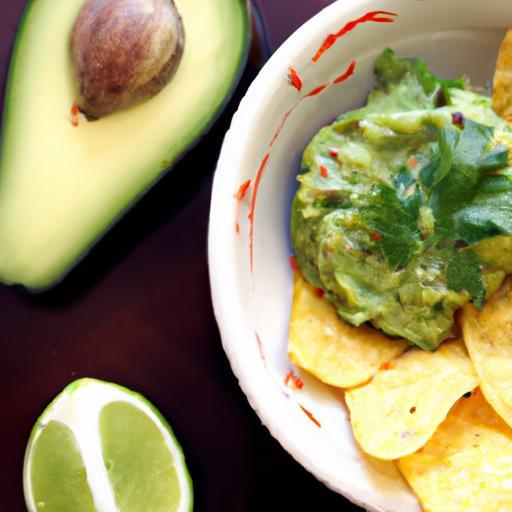
The Ancient Roots and Modern Appeal of Guacamole
Few dishes command the universal adoration quite like guacamole. This creamy, vibrant dip, often the star of any gathering, boasts a rich history stretching back centuries. Far from being just a simple avocado mash, guacamole is a culinary journey, a blend of fresh ingredients that tantalize the taste buds and offer a refreshing counterpoint to a myriad of cuisines.
The story of guacamole begins in the heart of the 16th-century Aztec Empire, in what is now modern-day Mexico. Here, the indigenous people cultivated the avocado, which they called "ahuacatl." They discovered that mashing this buttery fruit with other readily available ingredients like tomatoes, salt, and chiles in a molcajete (a traditional mortar made from volcanic rock) created a delectable spread. Over time, as culinary traditions evolved and ingredients traveled across continents, lime juice, onions, and cilantro were introduced, shaping the guacamole we know and love today.
Today, guacamole has transcended its origins to become a global phenomenon. It's the ultimate crowd-pleasing dip for tortilla chips, a vital accompaniment to authentic Mexican dishes such as tacos, enchiladas, and flautas, and an incredibly versatile ingredient in its own right. Imagine spreading it generously on morning toast for a power-packed breakfast, dolloping it onto juicy burgers, or incorporating it into vibrant salads and sandwiches. The possibilities are truly endless, limited only by your imagination.
Beyond its incredible flavor and versatility, avocados, the primary ingredient in guacamole, are nutritional powerhouses. Packed with healthy monounsaturated fats, fiber, vitamins (like K, C, B6, E), and potassium, they contribute to heart health, digestion, and overall well-being. So, when you're enjoying a scoop of fresh guacamole, you're not just indulging – you're nourishing your body too.
Mastering the Art of Guacamole: A Step-by-Step Guide
While often perceived as a simple dish, truly exceptional guacamole requires attention to detail and an understanding of its core components. Learning how to make guacamole that rivals your favorite restaurant's tableside version is an achievable feat with a few key techniques. It's less about a secret ingredient and more about the quality of what you put in and how you prepare it.
1. The Flavor Foundation: Seasoning First
Many recipes jump straight to mashing avocados, but one of the best tips for making incredible guacamole from scratch starts with your seasoning before the avocado even enters the bowl. In a small bowl, combine your finely diced red onion, fresh lime juice, and a good pinch of salt. Let this mixture sit for about five minutes. This seemingly small step performs a vital function: the acidity of the lime juice begins to "cook" the raw edge off the onion, mellowing its pungent bite and allowing its inherent sweetness to shine through. Simultaneously, the salt starts to draw out moisture and infuse the onion with a more complex flavor, ensuring it enhances, rather than overpowers, the delicate avocado.
2. The Star Ingredient: Perfectly Ripe Avocados
The undisputed hero of any guacamole is the avocado itself. The key to making the best guacamole lies in selecting perfectly ripe avocados. How do you spot them? They should have a slightly darker skin tone, and when gently squeezed in the palm of your hand, they should yield to slight pressure without feeling mushy or overly soft. If it's rock hard, it's not ready; if it feels like liquid inside, it's past its prime.
Once you have your ideal avocados, preparing them is straightforward:
- Using a sharp knife, carefully halve the avocado lengthwise around the pit.
- Twist the two halves apart.
- To remove the pit, gently tap your knife blade into the pit and twist to dislodge it. Alternatively, scoop it out with a spoon. Always exercise caution when handling the knife around the pit to prevent injury.
- Use a spoon to scoop the vibrant green flesh directly into your bowl, joining your seasoned onion mixture.
3. The Art of Mashing: Texture is Key
Now comes the satisfying part: mashing! While a traditional molcajete and tejolete (Mexican mortar and pestle) offers an authentic experience and excellent texture control, a simple fork and a sturdy bowl will work perfectly. Add the scooped avocado to the bowl with your onion, lime, and salt mixture. Using the back of your fork, begin to mash the avocado. The goal here isn't a completely smooth paste; you want some delightful chunks to remain, providing textural interest and a more satisfying mouthfeel. Mash until everything is well combined but still visibly chunky.
Finally, it’s time to fold in your remaining fresh ingredients: juicy diced tomatoes, finely chopped fresh cilantro, and minced jalapeño (remove seeds and membranes for less heat, or leave some in for a spicier kick). Gently fold these vibrant additions into the mashed avocado mixture until just combined. Over-mixing can bruise the ingredients and dull their freshness.
Elevating Your Guacamole: Beyond the Basics
While the foundational recipe for homemade guacamole is simple, the true magic often lies in the quality of your ingredients and the thoughtful balance of flavors. You could certainly eat mashed avocados with just salt and lime, but the addition of specific mix-ins creates a symphony of taste and texture that elevates it to extraordinary.
Our Test Kitchens universally agree: the best guacamole recipes are often the simplest ones, relying on a few high-quality additions to accentuate the avocado's rich, buttery flavor. It's about combining elements that create a fresh, vibrant blend:
- Juicy Tomatoes: Provide a burst of freshness and a slight tang.
- Crunchy Red Onions: Add a sweet, sharp bite that contrasts beautifully with the creamy avocado (especially when pre-seasoned!).
- Bright Cilantro: Offers a distinctive, herbaceous lift. For those who dislike cilantro, fresh parsley or even chives can be a milder substitute.
- Spicy Jalapeños: Deliver a kick of heat that awakens the palate. Adjust the amount and whether you include seeds based on your preference for spice.
- Zippy Lime Juice: Not only brightens the flavor but also plays a crucial role in preventing browning, as we'll explore shortly.
For more insights into perfecting your dip, including tips on selecting the ideal avocados and enhancing the overall taste, delve into our guide on the Secrets to the Best Guacamole: Ripe Avocados & Fresh Flavor.
Want to experiment? Consider these optional additions to further customize your homemade guacamole:
- Garlic: A small amount of minced garlic can add depth.
- Cumin: A pinch of ground cumin can introduce an earthy warmth.
- Serrano Peppers: For those who crave more heat than a jalapeño offers.
- Pomegranate Seeds: For a burst of color, sweetness, and unexpected crunch.
- Charred Corn: Adds a smoky sweetness and texture.
The beauty of making guacamole is its adaptability. Feel free to adjust ingredients to suit your personal preferences, creating a truly unique and delicious dip every time you make guacamole.
Keep Guacamole Green: Best Storage & Browning Prevention
There's nothing quite as disheartening as seeing your beautifully vibrant green guacamole turn unappetizingly brown. This discoloration is a natural process called oxidation, where the enzymes in the avocado react with oxygen in the air. Fortunately, with a few smart strategies, you can significantly slow down this process and keep your guacamole looking, and tasting, fresh for longer.
The Power of Lime Juice: Your First Line of Defense
The hero in your battle against browning is already a key ingredient in your recipe: lime juice! It serves a dual purpose in guacamole. Not only does it impart that essential fresh, zesty flavor that balances the richness of the avocado, but its acidity also acts as a natural antioxidant. The citric acid in lime juice helps to slow down the enzymatic browning process by creating a barrier against oxygen. This is why many chefs recommend using a generous amount of lime juice when you make guacamole – it's crucial for both taste and preservation.
While lime juice is incredibly effective, it won't prevent browning indefinitely. Guacamole will inevitably start to turn brown over time, but sufficient citrus juice will help keep it green and appealing for a significantly longer period.
Strategic Storage: The Airtight Seal
Beyond the ingredients themselves, how you store your guacamole is paramount. The goal is to minimize its exposure to air. Here’s the best way to store guacamole to preserve its freshness and vibrant green color:
- Use an Airtight Container: Always transfer your freshly made guacamole into an airtight container. This is your first crucial step in limiting oxygen exposure.
- The Plastic Wrap Trick: This is arguably the most effective technique. Once the guacamole is in the container, take a piece of plastic wrap and press it directly onto the surface of the guacamole. Gently smooth out any air pockets between the plastic wrap and the dip. The idea is to create an oxygen-free seal. This direct contact is far more effective than just placing a lid on the container, as it prevents air from sitting on top of the guacamole.
- Consider the Water Barrier (Optional but Effective): For an extra layer of protection, especially if storing for more than a few hours, you can add a thin layer of cold water or a drizzle of extra lime juice directly on top of the plastic-wrapped guacamole. This creates a physical barrier against any residual air. When you're ready to serve, simply pour off the liquid before stirring and serving.
- Refrigerate Promptly: Always store your properly sealed guacamole in the refrigerator. The cool temperature also helps to slow down the oxidation process.
When stored correctly and made with ample citrus juice, guacamole will typically last a day or two in the fridge. However, for the absolute best flavor and freshest texture, it is always best eaten on the same day it's made. If you do notice a slight brown layer on top after storage, don't despair! Often, you can simply scrape off the top brown layer, and the guacamole underneath will still be perfectly green and delicious. Give it a quick stir to refresh the flavors.
Conclusion
From its ancient Aztec origins to its modern-day status as a beloved global dip, guacamole continues to captivate with its simple yet profound flavors. Learning how to make guacamole from scratch, starting with quality ingredients and a thoughtful approach to preparation, is a rewarding culinary skill. By understanding the importance of ripe avocados, the magic of seasoning the onion first, and the delicate art of mashing, you can create a dip that truly shines. And armed with smart storage techniques—especially the powerful combination of ample lime juice and the airtight plastic wrap trick—you can ensure your vibrant green creation stays fresh and inviting, ready to be enjoyed for longer. So go ahead, whip up a batch, gather your friends, and savor the irresistible taste of perfectly made, perfectly preserved guacamole.
